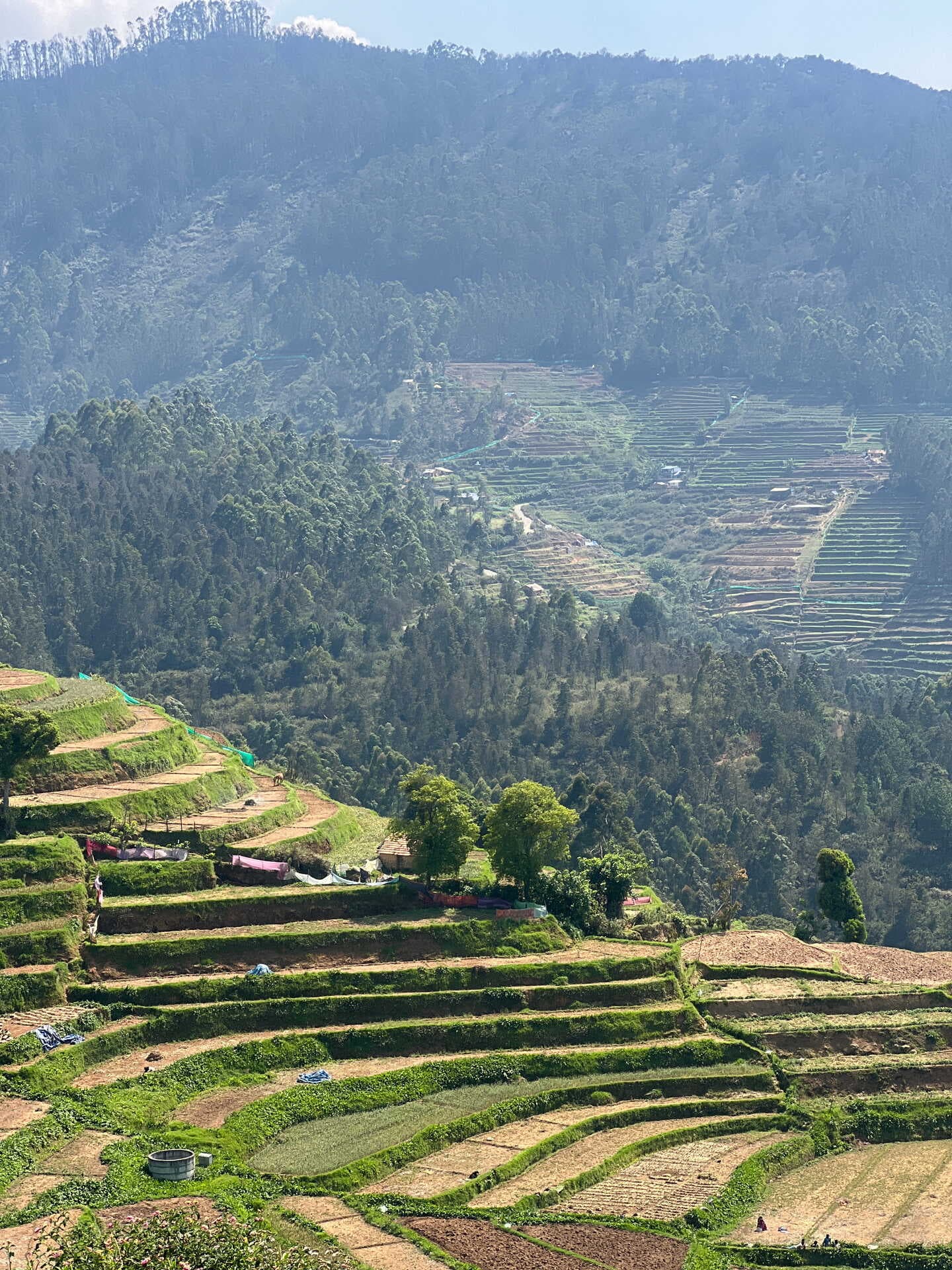
North Kerala covers the Malabar coast and the hills behind it, roughly from Kannur upward. It sees far fewer visitors than the south of the state, which is most of the appeal.
The shape of a day
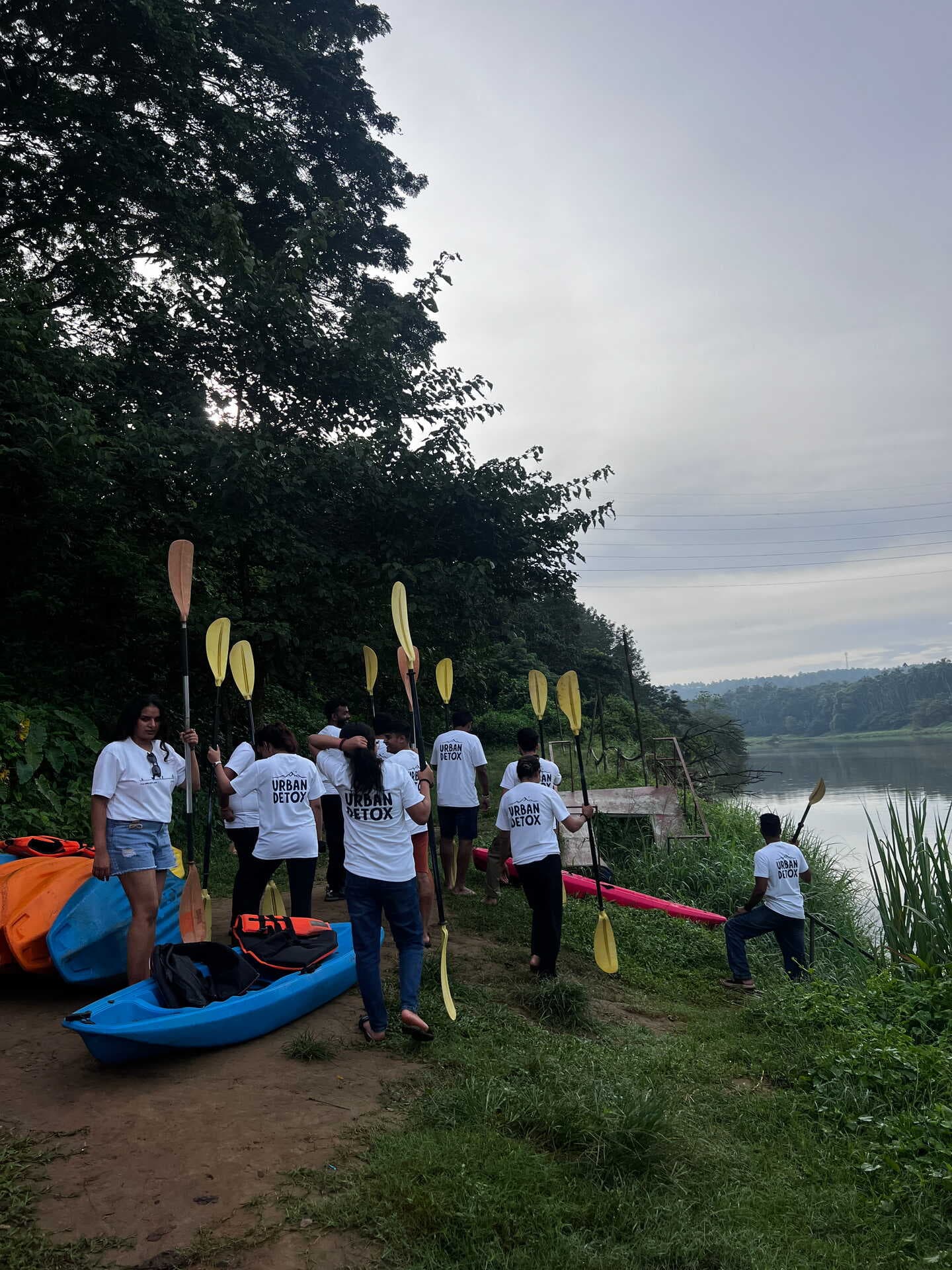
Mornings are slow and usually start near water, either a river or the backwater. Afternoons are open: a hammock, a swim, a walk to a village, or nothing at all. Evenings tend to end outside, often on a roof or by the water.
There is no timetable pinned to a wall. Days have a shape, and within that you do what you feel like.
Where you stay
Family-run places by the water rather than hotels. That means fewer facilities and better food, and somebody in the kitchen who has been cooking these dishes for a long time.
Rooms are simple and clean. Power and signal are occasionally patchy, which is part of why it is quiet.
The food
This is one of the best reasons to come. Malabar cooking is its own thing: coconut, curry leaf, plenty of fish on the coast, and breakfasts worth waking up for. Vegetarian, vegan and Jain food is arranged if you tell us when you book.
What there is to do
- Slow paddles and boat rides on the backwater
- Walks through villages, spice gardens and paddy
- Beaches that are usually close to empty
- The Theyyam season, which falls in the cooler months and is genuinely extraordinary if the dates line up
Best for: Anyone who would rather spend three days in one place properly than see five places badly.
How it differs from the backwaters further south
Alleppey and the southern backwaters are broader, more set up for visitors, and better if you want a houseboat. North Kerala is narrower, greener and quieter. We run trips to both, and they are genuinely different moods rather than better and worse.